
What's Included in a Residential Swimming Pool Maintenance Plan in Williamsburg, VA
Owning a pool in the Williamsburg, VA, area means enjoying a longer swim season than much of the country, but it also comes with real maintenance demands that vary by season, local climate, and how much your pool gets used. This article covers what a professional residential swimming pool maintenance plan typically includes, why local conditions in Williamsburg make routine care especially important, and how to decide between handling tasks yourself or calling in a pro.
What Does a Residential Pool Maintenance Plan Cover?
A residential swimming pool maintenance plan covers the essential tasks that keep pool water safe, clear, and comfortable to swim in. Most professional plans address several core areas on each visit, and understanding what those are helps you know exactly what you are paying for.
Surface Skimming and Pool Vacuuming
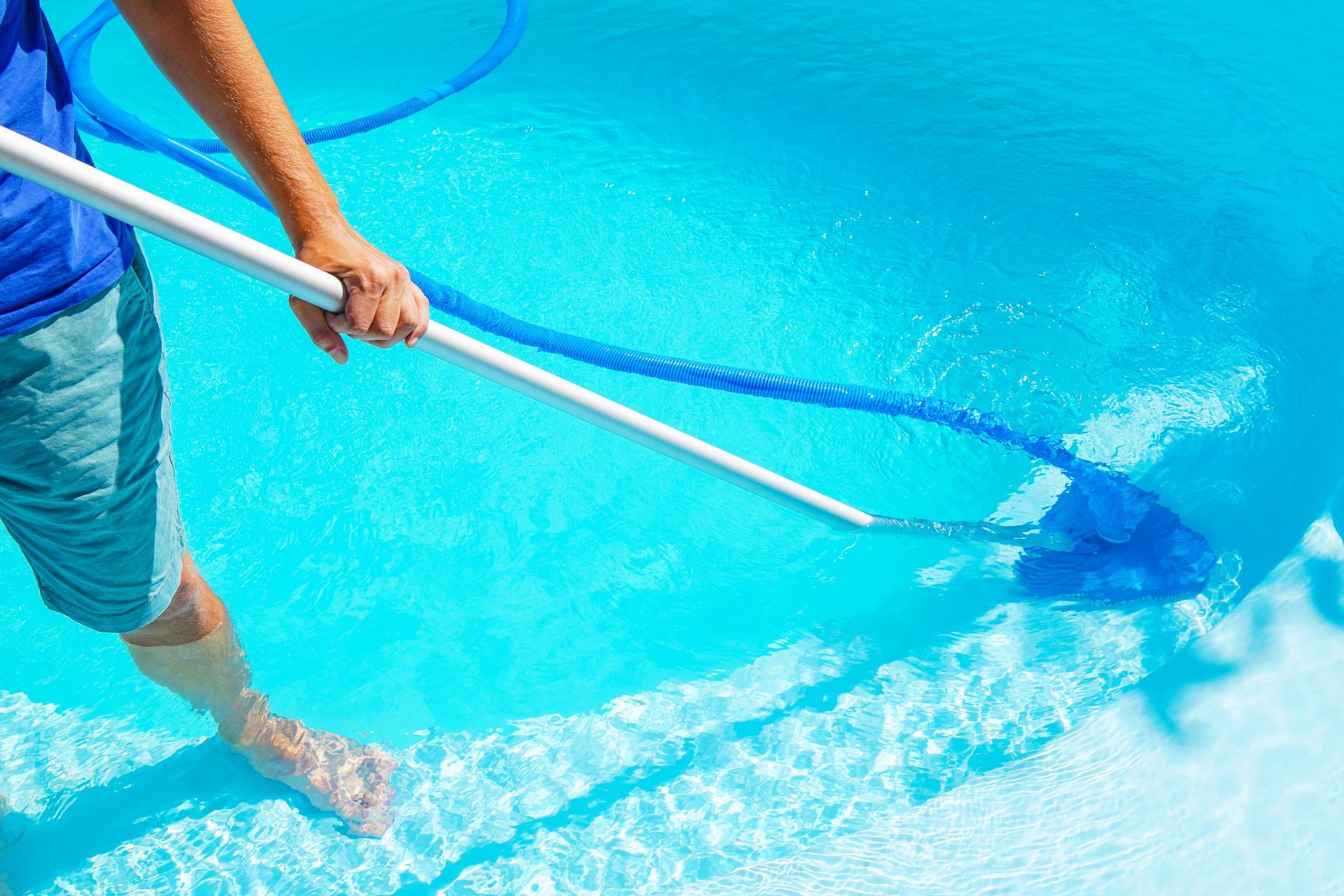
A technician will skim the water surface to remove leaves, insects, and floating debris. Williamsburg sits between the James and York rivers in the Virginia Peninsula, and the tree canopy in oak and pine neighborhoods like Kingsmill and Ford's Colony means significant leaf fall and pollen drop throughout spring and fall. Vacuuming the pool floor removes settled debris that can stain surfaces and feed algae if left unchecked.
Water Chemistry Testing and Chemical Balancing
Technicians test pH, chlorine or salt levels, alkalinity, calcium hardness, and stabilizer on every visit. Getting the chemistry right is one of the most important parts of residential swimming pool maintenance in Williamsburg, VA, because the region's high summer humidity can affect evaporation rates and dilution. Williamsburg typically sees warm, muggy summers that accelerate algae growth, so chemical levels need monitoring more frequently during peak season.
Filter Inspection and Cleaning
The filter is the main system that removes fine particles from the water. A residential swimming pool maintenance plan should include checking filter pressure, backwashing or rinsing the media as needed, and flagging any cartridge or DE filter elements that may need replacement. Running a dirty filter stresses the pump and can cause water to turn cloudy even if chemicals are balanced.
Pump and Equipment Check
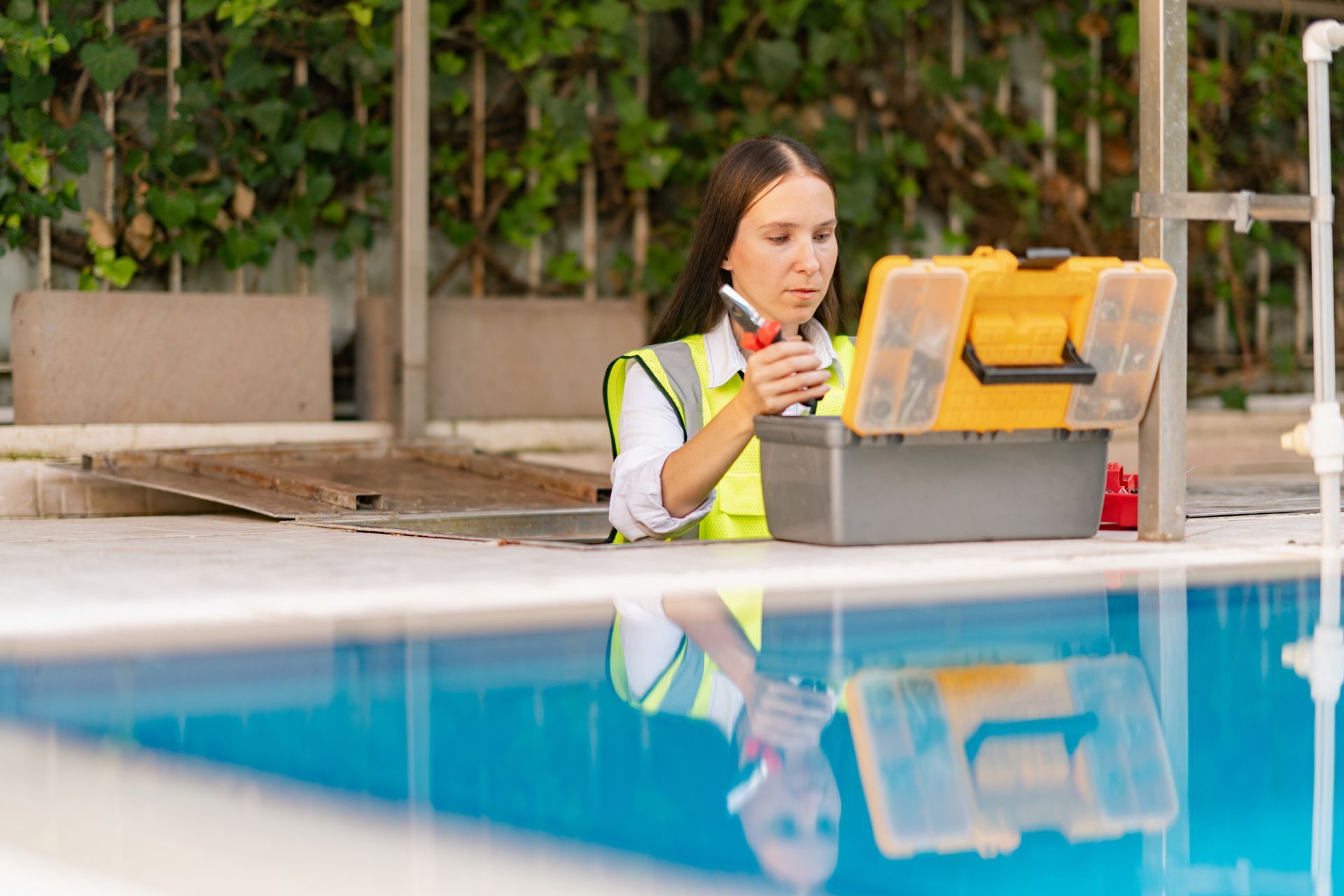
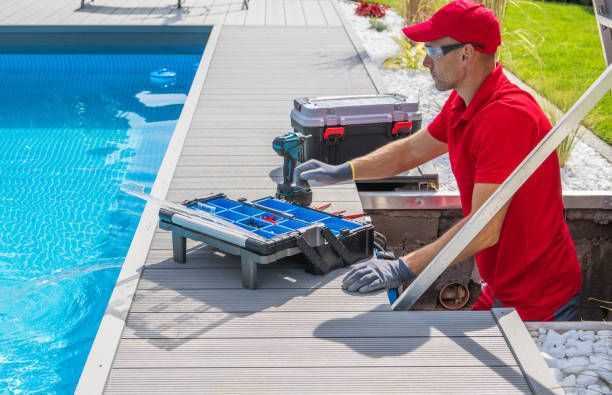
Each visit typically includes a visual inspection of the pump, motor, and associated equipment to confirm everything is running as expected. Technicians may also check for unusual noises, leaks around fittings, or pressure readings that suggest a developing problem. Catching these issues early often prevents expensive repairs later in the season.
Brushing Pool Walls and Steps
Brushing prevents algae from anchoring to plaster, tile grout, and vinyl surfaces. Steps, corners, and ladder areas are common spots where algae spores begin to take hold, particularly in warmer months when water temperatures in the Williamsburg area regularly climb into the upper 80s Fahrenheit.
Should You DIY Your Pool Maintenance or Hire a Professional?
The answer depends on your comfort level, available time, and how complex your pool system is. Both approaches can work, but they involve different tradeoffs.
The Case for Handling It Yourself
Many homeowners successfully manage routine tasks such as skimming, brushing, and basic chemical testing between professional visits. Pool supply stores in the Hampton Roads area can test a water sample for free, which gives you a reliable chemical baseline without any equipment of your own. If you have a straightforward pool without a heater, automation system, or salt generator, a basic DIY routine is manageable.
The Case for Hiring a Professional
Pool chemistry is more nuanced than it looks. An imbalance between pH and alkalinity, for example, can make chlorine far less effective even when the chlorine reading seems fine. Williamsburg's extended swim season, which often runs from May through October, means more weeks of heavy use and more weeks of exposure to heavy pollen in spring. A professional technician with Tech I or Tech II certification can catch subtle equipment issues and water quality shifts before they become visible problems. For pools with automation, salt systems, or attached spas, professional oversight is especially worthwhile.
Many pool owners use a combined approach: a professional handles weekly or biweekly residential swimming pool maintenance tasks such as chemical balancing and equipment checks, while the homeowner handles light skimming between visits.
Seasonal Considerations Specific to Williamsburg, VA
Williamsburg's climate shapes what a good residential swimming pool maintenance plan needs to include throughout the year. Pool season here typically extends longer than in northern states, which means more months of active upkeep.
In spring, heavy oak and pine pollen coats the water surface and can spike phosphate levels, which feed algae. Skimming frequency may need to increase from March through May. Summer brings sustained heat and heavy bather loads from family gatherings and holiday weekends, which deplete sanitizer faster. Fall maintenance focuses on removing leaf debris and preparing for the transition to cooler temperatures. Closing the pool correctly for winter, typically in late October or November, protects equipment from freeze damage during cold snaps that do occasionally reach the Williamsburg area.
Plan a Maintenance Visit With a Team That Knows the Area
A professional residential swimming pool maintenance plan takes the guesswork out of pool ownership and helps protect what is often a significant backyard investment. Serving Williamsburg, VA, and the surrounding Peninsula communities, Anchor Pools & Spas offers weekly and biweekly maintenance visits, chemical balancing, filter service, and equipment checks designed to keep your pool in top shape all season long. To learn more about ongoing pool care or to schedule a visit, explore the pool service and maintenance page or contact the team directly at (757) 865-1700.